BACK FROM THE ABYSS
Back from the Abyss was named one of “Top 15 Psychedelic podcasts you must follow in 2025”
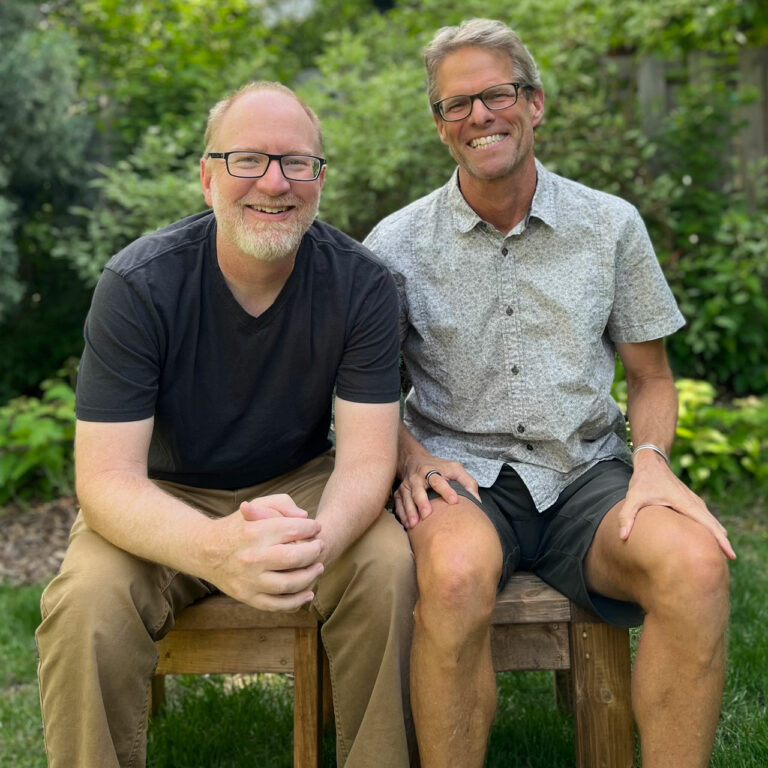
I was at a dinner party in early 2019 when my friend Chris asked me, “What are you going to do with your life once your girls all leave home?” I said, without hesitation, “I want to start a podcast!” With a look of surprise, Chris said, “So do I!” We quickly determined that we had to get together and make this dream happen.
The inspiration for making a mental health podcast was my patients and their incredible stories of suffering and healing. I wanted to create something that would be like releasing balloons of hope out into the world, with the message that recovery is possible, that treatment can work, that out of the darkness can come light and wisdom and gratitude.
Most of the podcasts I listen to are interviews or talk shows. I wanted Back from the Abyss to be more intimate and to be built around very personal stories of mental illness and recovery. We aim to record all the stories in person, as I think storytelling is most raw and heartfelt when it’s face to face. Often our recording sessions end with tears or high fives or hugs. Helping people tell their abyss stories has turned out to be one of the most meaningful experiences of my life.
I originally thought that a mental health podcast would be of most interesting to patients and their families, but I am finding that some of the biggest fans are therapists. This has led me to bring more of an educational focus to the podcast, rather than my initial idea of simply sticking with the stories. We make just two episodes a month, but I like to think of each one as a lovingly created meal, made from scratch, and worth the wait.
RECOMMENDED EPISODES
- Why med management is (mostly) doomed to fail
- Twenty years in psychiatry: Insights and clinical pearls
- The 10 Best Psychiatric Medications
- Ketamine— Lessons from 3000 Sessions
- Addiction treatment— What works, what definitely doesn't
- When meds don't work— Diagnostic confusion, trauma, sleep, and mistaken expectations
- MDMA and the Inner Healer
- Healing Trauma with Psychedelics (with Saj Razvi)
- The Secret Sauce— Treating PTSD with MDMA
- Conversation with an underground psilocybin therapist
- The Dark Side of Psychedelics
- MDMA, MAPS, and Cover Story's Power Trip
- Psychedelics, Psychosis, and Risk Reduction
- Psychedelic-Assisted Therapy: Ketamine vs MDMA vs Psilocybin
- How to Change Your Mind About Mushrooms
- In the room with Hillary McBride and Saj Razvi- A moment to moment exploration of psychedelic somatic trauma therapy
RECENT EPISODES

How do we find a way out of the darkest depths of despair? Psychiatrist Dr. Craig Heacock hosts a deep dive into powerfully moving stories of hope and healing, as well as topical explorations of psychopharmacology, psychotherapy, and psychedelics.
The US has a major suicide problem, around 50,000 people every year, and 60% of these suicides are gun suicides. The number one risk factor for completed suicide is not depression or anxiety or addiction….it’s access to means, and it turns out that it’s actually not that easy to impulsively kill yourself, unless you have ready access to a gun.
We are finally starting to talk about ways to keep guns out of the hands of potentially suicidal people, and a concrete step in that direction is something called Donna’s Law— a program where people can voluntarily be put on a no-sell list during times of psychological crisis or instability. Donna’s Law is named after Donna Nathan, who impulsively bought a handgun in 2018 in New Orleans and shot herself during a period of psychiatric crisis. There were no barriers in place, no waiting period or no-sell list…Donna found easy access to means and paid the ultimate price.
We first hear the voice of Katrina Brees, Donna’s daughter. Katrina tells us more about who Donna was, how she lived and how she died. After we hear from Katrina, Dr. H leads a discussion with two prominent Colorado voices for both Donna’s law in particular and suicide prevention in general— Dr. Dave Iverson is a Denver-based psychiatrist, a board member of Colorado Ceasefire, and lifelong advocate for society’s most vulnerable folks, including those on the streets or in the justice system… also Ginny Mack joins the conversation, she is a Ft Collins-based psychiatric nurse practitioner, a Navy Veteran, and a longtime advocate for suicide prevention efforts on the state and local level.
Support the show!
https://www.buzzsprout.com/396871/support
Donna's Law for Suicide Prevention
Donna's Law for Colorado
https://www.donnaslawforco.com/
Colorado listeners who would like to get involved in the awareness campaign for Donna's Law, please email:
Golden Gate suicide study
https://www.goldengate.org/assets/1/6/suicide-deterrent-seiden-study.pdf
Bringing Therapy into Med Management– An intensive workshop for psych NPs and PAs, June 3-6 2026 in Ft Collins
https://www.craigheacockmd.com/bringing-therapy-into-med-management/
”I Love You, I Hate You, Are You My Mom?” An intensive experiential workshop exploring transference and countertransference with Dr. H and Dr. Hillary McBride, June 18-20 2026 in Vancouver/Chilliwack BC
https://www.craigheacockmd.com/i-love-you-i-hate-you-are-you-my-mom/
Explore every episode through themes, domains, formats, and speakers.
The BFTA CODEX is a listener-built and curated field guide to the podcast.
https://bfta-codex.org
BFTA episode recommendations/Podcast page

ABOUT
Dr. Craig Heacock
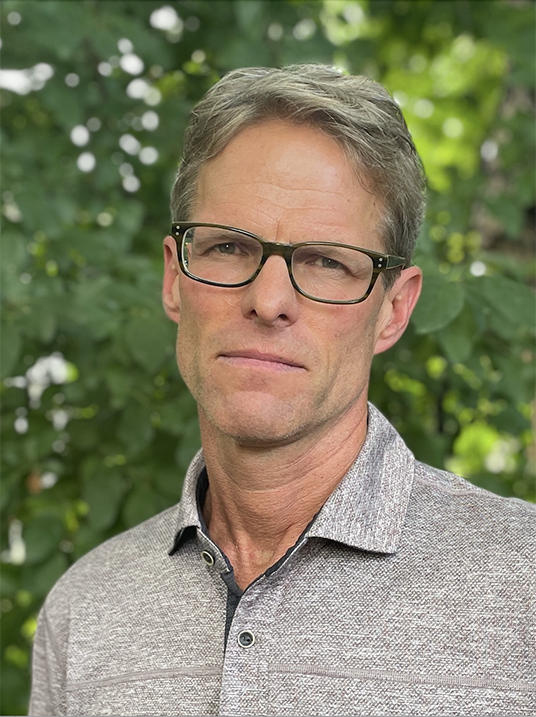
Dr. Craig Heacock is an adolescent/adult psychiatrist and addiction specialist in Colorado. He was a co-therapist in the Phase 3 trial of MDMA-Assisted Psychotherapy for PTSD and has particular interest in the use of ketamine and other psychedelics to treat severe mood disorders and PTSD. He is a graduate of the University of New Mexico School of Medicine and did his psychiatry training at Brown University.
Chris Johnson
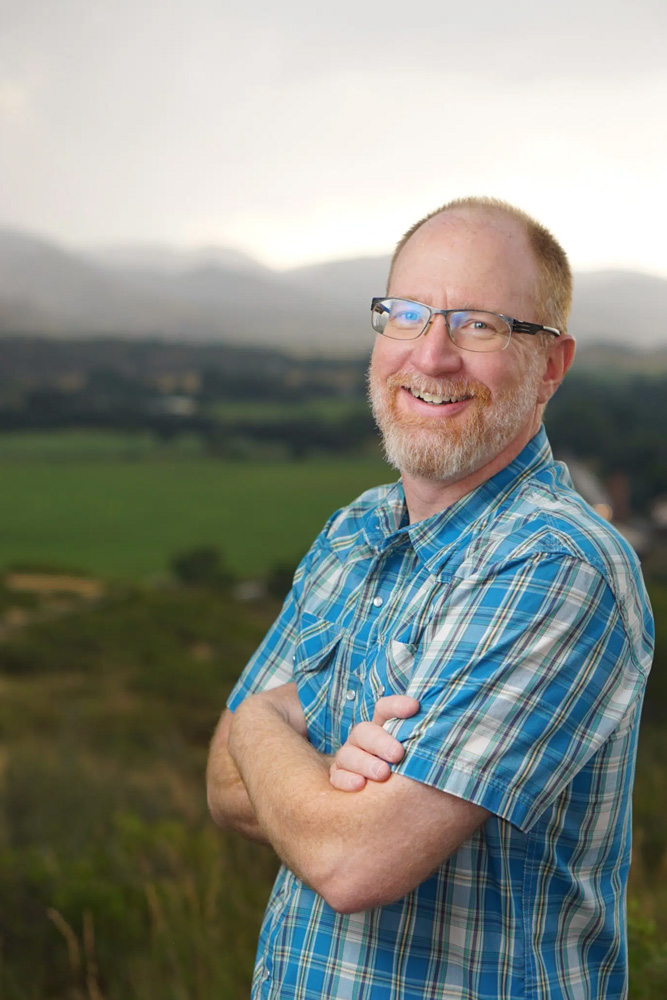
Chris Johnson is a distracted cartographer with a creative soul and a love for music and storytelling.
MDMA and the Inner Healer
After a nightmarish sexual assault at age 15, Mitch's life felt over. Wracked by daily dread, panic, and a desperate longing to die, he eventually found his way 22 years later to the MAPS trial of MDMA-assisted psychotherapy for severe PTSD.
In this astonishing account, Mitch describes how MDMA was able to reactivate his innate healing intelligence to allow him to go directly into the hottest fires of his trauma with a powerful shield of openness, safety, self-compassion, and trust. Mitch describes the actual "how" behind MDMA-assisted therapy and why it shows such promise for the future of trauma treatment.
A Power Wash of the Brain
Chris successfully hid his increasingly severe depression throughout middle and high school, but by his first year of college he could no longer ignore the horrifying signs that his brain was losing touch with reality. Inanimate objects began to radiate into his thoughts, and suicide seemed the only way to escape. Fortunately Chris took the scariest leap of all and began to open up to a therapist about what was happening in his mind, leading to an exploration of shame, a reformulation of the self, and finally the unexpectedly powerful healing of ketamine.
Healing Trauma with Psychedelics: Part 1
This is the first of a two part very special interview with Saj Razvi, the Director of Education at Innate Path in Denver, CO. Saj weaves together his three fascinating perspectives— that of a nationally recognized trauma expert, his own personal story of early childhood neglect and how this shaped everything else to come, and finally his long journey of healing the deepest wound a person can have, eventually coming to MDMA and then psilocybin at the latter part of his therapy journey.
The episode starts with some foundational concepts in understanding trauma and its long term effects, then shifts to compare and contrast psychotherapy vs somatic therapies vs psychedelic assisted therapies (cannabis vs ketamine vs MDMA vs psilocybin). Part 1 ends with Saj's life-changing MDMA therapy session and beautifully describes how MDMA might help people break through the dissociative legacy of complex PTSD and attachment trauma.

227 South Howes Street
Fort Collins CO, 80521
(970) 480-7560
(833) 957-0114 Fax
[email protected]